



Breathwork Between Bamboo In Pang Mapha: A Quiet Guide
The Insight
Quiet breath between bamboo stalks can reset a tired nervous system faster than plans.
In Pang Mapha, the thin mountain air makes each inhale feel honest and small.
The Principle
Attention follows breath, and breath follows what is closest to your skin.
In a bamboo grove, air moves in simple patterns, so the mind copies that softness.
This is like a stream after rain, when silt settles as the current slows, grain by grain.
When we slow the breath against something steady, like bamboo trunks, the inner river clears too.
The Local Reality
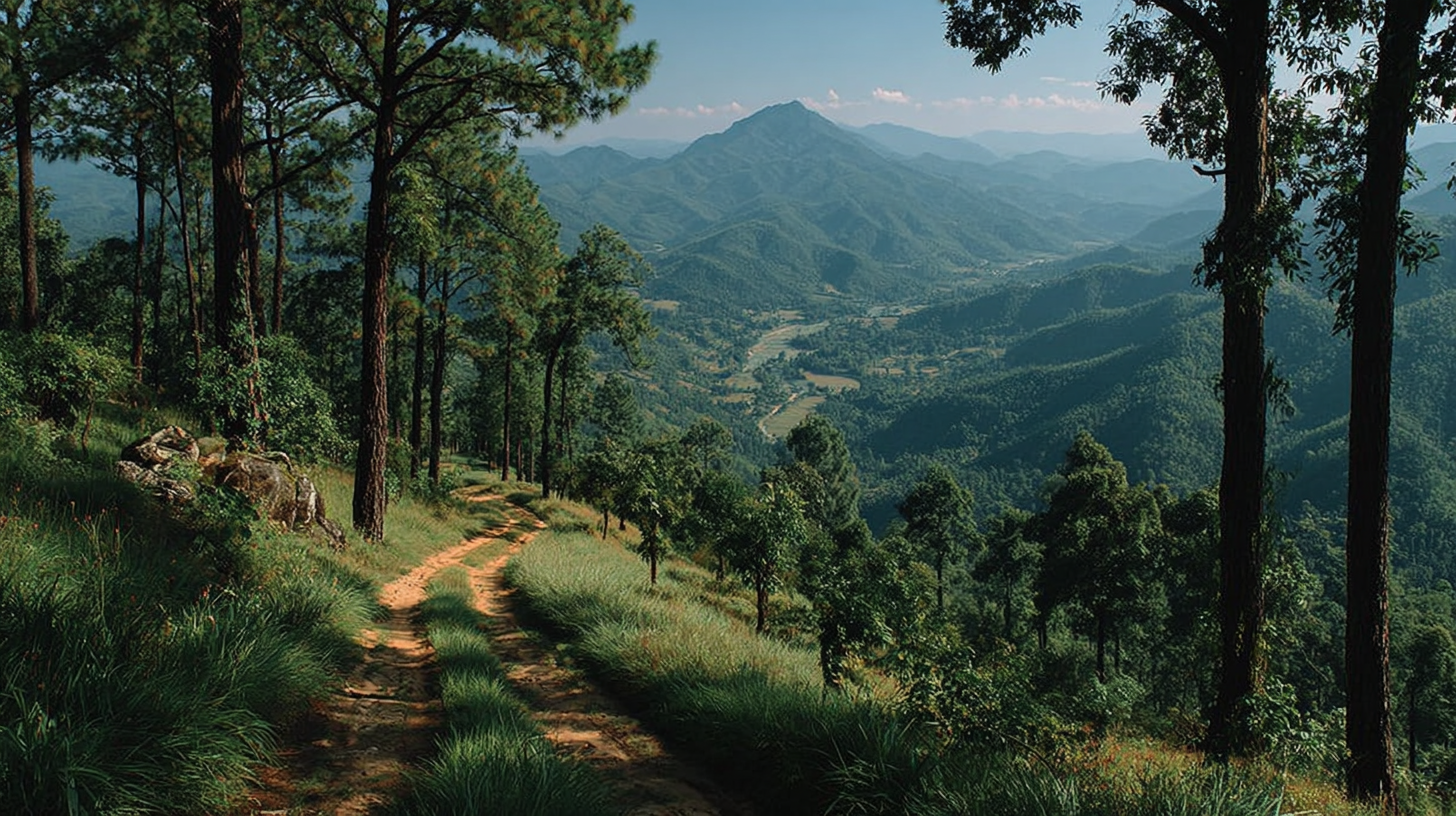
On the ridge above Tham Lod cave, there is a narrow stand of bamboo, just off the dirt road where songtaews drop visitors in dry season.
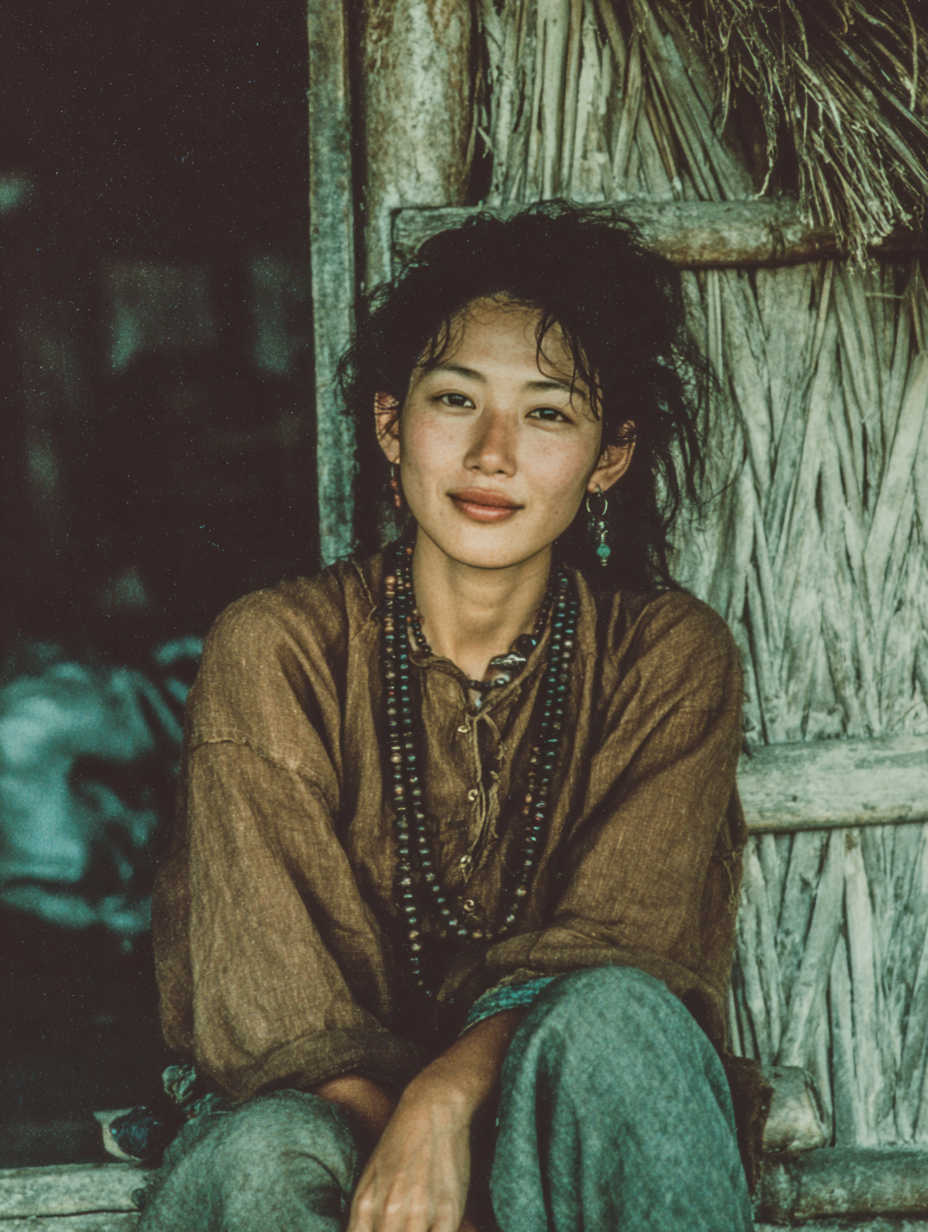
The culms lean over a small terrace where Black Lahu women sometimes rest with baskets, leaving faint marks in the dust from woven straps.
In late afternoon, the wind comes from the Pai side, cooler, carrying the smell of charcoal from village cooking fires.
Crickets start before the sun is fully gone, and the sound bounces strangely between the hollow stems.
Guides from Ban Tham call that patch “pa phai yen nid noi,” just a little cool bamboo forest, and they stand there to check their phones where the signal holds.
When they wait, they often breathe deeper without noticing, shoulders dropping as the shade settles around them.
The Human Moment
I use that same terrace as a small open-air room, marked only by three flat stones and a shallow clay bowl for ash.
Sometimes two hill tribe teenagers walk past on motorbikes, the engines loud for a breath or two, then swallowed by the valley again.
When I teach there, we stand facing the slope, each person with a bamboo trunk at arm’s length, one palm resting lightly on the cool surface.
The assignment is simple: feel the breath move from palm to ribs, then to the back, as if tracing the curve of the stalk.
A Hmong woman from Huai Hea once told me, after ten minutes, that the ringing in her ears softened for the first time since last burn season.
She did not call it healing; she only said, “Here, I can hear the small wind more than the noise.”
The Presence Lesson
Bamboo does not hurry through seasons; it grows in segments, patient and hollow, leaving space inside every length.
Breath between bamboo can follow this pattern, one short section at a time, not a single perfect flow.
We start with four counts in, four counts out, matching the sway of the thinner culms at the edge of the grove.
As comfort grows, we lengthen the exhale, like thicker stalks that bend less but still give way to wind.
This is not mystical; it is just the nervous system responding to slow signals, like a dog dropping its guard when voices stay low and steady.
The bamboo helps because it reduces choices: one view, one sound pattern, one rhythm for the air around your body.
The Local Reality
Pang Mapha’s air is not always gentle; in March, smoke from burning fields hangs under the ridges, catching in the throat during dawn walks.
On those days, breathwork moves indoors, under tin roofs and open eaves, with wet cloths hung to catch some dust.
In Ban Jabo, the well-known viewpoint village, elders sit along the wooden ledge and breathe through scarves, watching vans bring café visitors for sunrise photos.
They are used to thin air and sharp light, yet even they cough more when the haze thickens, pausing between sentences.
Seasonal workers from Chiang Mai arrive to pick corn or work at cave homestays, and they speak of headaches that do not leave for weeks.
When they join breath sessions, the first practice is not depth, but softness, so the chest does not fight the smoke at every inhale.
The Human Moment
Last year, a guide named Preecha came after a week of leading tourists through Lod Cave, his voice hoarse from shouting over underground water.
He joked that the bats breathed better than him, then sat quietly when we began, thumb rubbing the edge of his flashlight strap.
We used a simple pattern: in through the nose, out through pursed lips, as if cooling hot tea, while listening for the bamboo’s hollow clack above us.
After fifteen minutes, he said his chest felt less tight, but what struck him more was that the usual list in his mind—guests, fuel, rice, school fees—had shuffled itself into the background.
He compared it to turning off the main road from Soppong to a side track; the trucks still moved somewhere, but their sound no longer filled the head.
He did not ask for a program or certificate, only if he could bring his teenage son next time, “to learn how to be quieter without a phone.”
The Presence Lesson
The body often treats travel as danger, even in peaceful valleys, because new smells, roads, and languages stretch attention thin.
Breathwork between bamboo offers a narrow frame, and a narrow frame is kind to a tired mind.
Like adjusting a camera from wide landscape to a single leaf, detail rises as noise falls.
Standing in that grove, you feel sun stripes on your forearms, dust under bare toes, a faint sweet rot from fallen leaves.
The practice is only to name each sensation silently on the exhale—warmth, rough, distant motor, bird call—without fixing or improving anything.
With each named detail, the mind accepts its own place in the scene, not above it, not outside it, simply among the stems and sounds.
The Closing Truth
In Pang Mapha, the land teaches this quietly: the most honest reset is small, local, and shared with the air that already holds you.
Breath that matches the bamboo’s pace is often enough direction for one whole day.
Related blogs
Lorem ipsum dolor sit amet consectetur. Adipiscing eget risus tempus facilisis scelerisque vitae consectetur vitae. Amet faucibus venenatis donec mattis.


Pai District,
Mae Hong Son Province
58130, Thailand


