




How To Take Respectful, Instagram-Worthy Photos In Pang Mapha
The Insight
Respect is the first lens; the camera comes second.
In Pang Mapha, every “Instagram shot” lives inside someone’s daily life and work.
The same is true on a cool morning in Ban Jabo, when riders line the ridge for sunrise and villagers carry rice to the barns just below their frames.
The Principle
People open up when you stop trying to frame them.
In practice, that means you arrive with curiosity, not a shot list, and you accept that some of the strongest memories will never touch your screen.
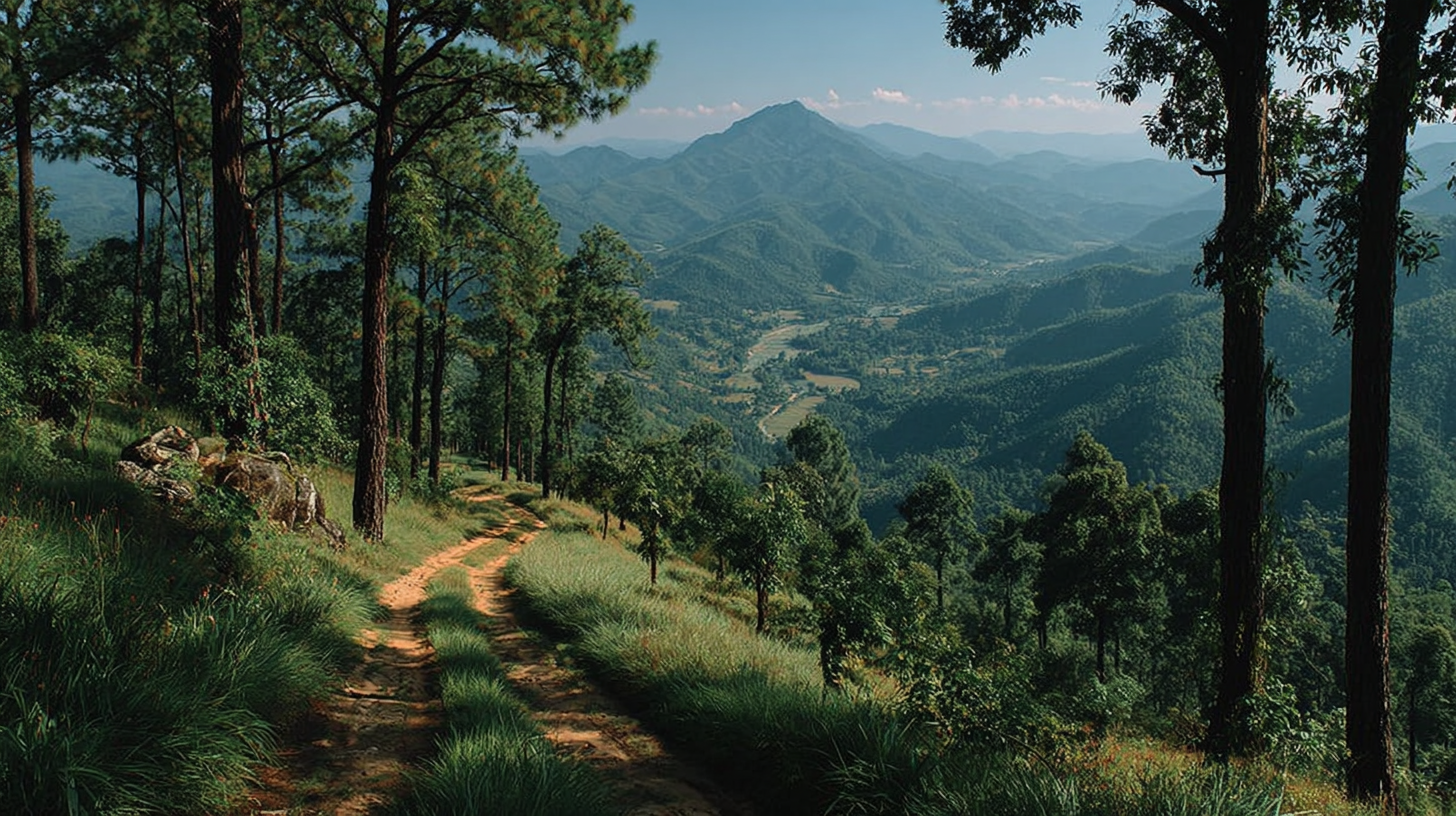
Think of photography here like walking the bamboo paths above Ban Muang Pam; if you rush to the ridge, you miss the quiet knowledge in each field you cross.
The picture you carry home should feel fair to the people who were moving slowly long before you arrived and will keep moving slowly after you leave.
The Local Reality
The famous noodle platform in Ban Jabo is a good test of intent.
By 6:00 a.m. in cool season, tripods line the wooden decks, legs hang over the drop, and the valley below might fill with cloud if the night air stayed cold and still, but just to the side, a Lahu grandmother is washing dishes and a teenager is hauling coffee sacks uphill.
If you walk in, drop your bag, pose with your bowl, and leave in ten minutes, your photo floats free of that work; if you stay the extra hour, you start to notice who keeps the gas fires burning and who gets the first bowl before the tourists arrive.
The same pattern shows up at Tham Lod, where visitors chase the glow of lanterns on the river while local guides think first about rising water, slick bamboo, and which elders have asked not to have their faces photographed during certain rituals.
On Tuesdays in Soppong market, the light cuts in gaps between tin roofs, hitting piles of greens and baskets of chilies, but the vendors are there to sell, not to perform, and the line between a strong candid and a theft of attention is thin when someone is counting change.
Signal drops quickly as you leave Route 1095 for villages like Ban Mae Lana or Ban Huay Hee, so there is no instant upload; that delay is a quiet gift, giving you time to ask yourself if the image still feels honest once the dust has settled.
The Human Moment
One cold season morning, I watched a young traveler at Jabo step away from the crowd and sit near the coffee stall, camera down, just listening to the Lahu woman grinding beans with a hand mill while her son stacked cups.
After ten minutes of simple talk—where are you from, how cold is it at your house, what time do you wake—she looked at him, nodded toward his camera, and said in Thai, “If you want a picture, take it now; I am still working, but we are talking already.”
The photo he took was not the wide, cloud-filled postcard; it was a close frame of hands on the mill, steam from the kettle catching a slant of light, a plastic watch on a wrist that usually never makes it into the romantic images of “hill tribe life.”
Later he showed her the screen, and she laughed at her own posture, then asked for a copy to print when he passed back through Soppong, which he did a week later, sliding a small print across the noodle counter to her niece.
That whole exchange rested on one small choice: he let the conversation lead the camera, not the other way around.
I have seen the opposite too—lenses pushed into faces during Lahu New Year in Ban Pha Mon, or flashes going off during Karen weaving demonstrations in Ban Muang Pam without a word spoken—and the air tightens immediately, shoulders rise, and the smiles become the stiff kind you cannot fix in post-processing.
The Ethical Frame
A simple rule works across Pang Mapha: if someone is the focus of your frame, they deserve a say.
In practice, that means asking before photographing a weaver at her loom in Ban Muang Pam, a monk receiving alms in Ban Mae Lana, or a guide steering the bamboo raft at Tham Lod, even when the light looks perfect and your friends are already firing shutters.
Ask with words if you share a language, or with clear body language: raise the camera slightly, meet their eyes, wait for a nod or a gentle shake of the head, and accept either answer without pushing or joking.
Some moments here are not meant to be photographed—coffin chambers in Tham Lod where guides ask for no pictures, spirit trees near Ban Huay Hee, or certain parts of Poi Sang Long preparations in Shan temples—so when a local says “no photo,” they are not blocking your art, they are guarding something fragile that will outlast tourism cycles.
Think about what you show to the world: avoid tight portraits of children at the Tuesday market shared without context, avoid images that fix Karen or Lahu people as props next to your motorbike, and avoid repeating the same “legs over the cliff” pose without at least pairing it with a story about whose ridge you are sitting on.
If a picture feels like it would embarrass the person, make them look poor for entertainment, or reveal private rituals to thousands of strangers, it is better left in your card or deleted outright, no matter how dramatic the light or how many likes it might earn.
The Closing Truth
In Pang Mapha, light changes, but the rhythm of a village stays patient.
If you match that patience—lingering after sunrise at Ban Jabo, walking Tham Lod’s riverbank without always raising your camera, listening to Soppong market gossip over morning noodles before asking for a portrait—your “Instagram-worthy” images will carry more weight than any quick grab shot.
They will show not only the cloud seas, karst cliffs, and lantern-lit caves, but also the plastic buckets stacked behind the noodle stall, the rubber boots by the weaving house door, the tired smiles of guides who have walked that cave river thousands of times.
Stories come to you when you stand still long enough, and the photographs that survive the trip home are the ones that honor those stories instead of consuming them.
If you remember one thing while shooting here, let it be this: a good picture is one that the person in it would recognize as themselves and feel okay seeing on your screen.
In a place like Pang Mapha, dignity is the sharpest focus you have.

Related blogs
Lorem ipsum dolor sit amet consectetur. Adipiscing eget risus tempus facilisis scelerisque vitae consectetur vitae. Amet faucibus venenatis donec mattis.


Pai District,
Mae Hong Son Province
58130, Thailand


