



Slow Trails After Rain in Pang Mapha
The Insight
Rain slows the trail so your body can finally keep up with your eyes.
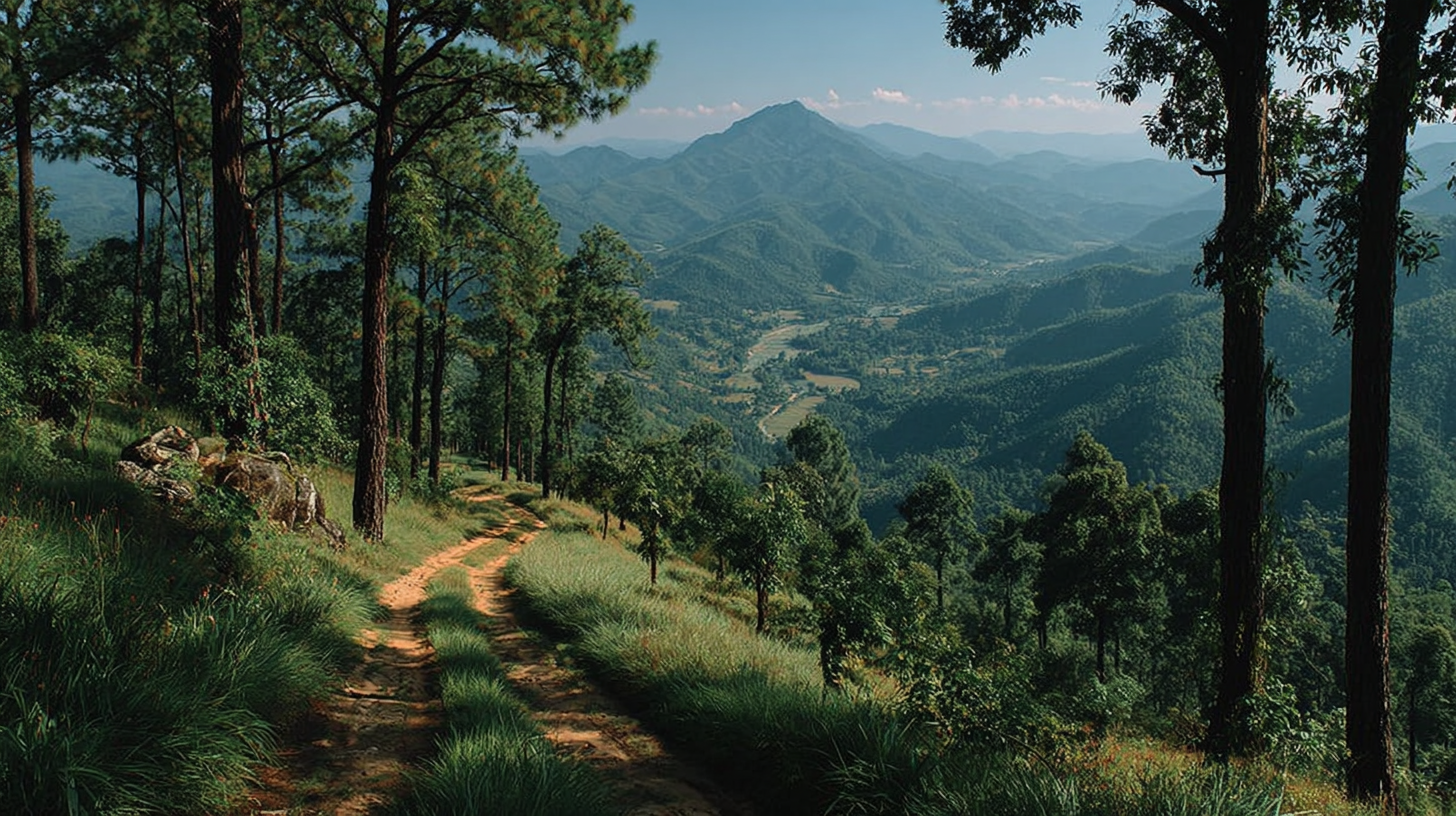
On Pang Mapha ridgelines after rain, every step asks for attention.
The Principle
Moving slow is not a style choice here; it is basic survival.
Wet clay, slick roots, and loose rock work like a quiet teacher, correcting speed.
Like a river against a boulder, the land shapes how you move, not the other way.
On these hills, rushing is like braking on gravel; control appears right before the slide.
The Local Reality
In Pang Mapha, first rain hits hard on burned slopes and dusty paths.
Steep red earth above Tham Lod turns to soap under your boots within minutes.
Old guides from Ban Jabo say the first week after real rain is the trickiest.
The ground looks solid, but a thin slick layer hides over packed dust below.
On the path from Nam Lang to the Shan hamlets, bamboo leaves fall and stack like oiled glass.
Even flat terraces above the rice fields become slow puzzles instead of casual walks.
The Human Moment
One June afternoon, I was leading two Bangkok office workers above Tham Lod.
The air was heavy, the yellow butterflies flying low, wings wet at the edges.
Rain started as a hiss through teak leaves, then hammered the ridge in seconds.
We waited under a small bamboo lean-to where local hunters dry their tobacco.
When it eased, Pree, an older Black Lahu guide, tapped his stick on the mud.
“Now we walk like carrying eggs,” he said, then stepped off without looking back.
He shifted his weight from heel to midfoot, like testing river stones with each step.
His shoulders stayed quiet, but his toes searched ahead through his thin sandals.
One of the guests slipped twice before copying his rhythm and shortening their stride.
The trail did not change; their movement did, and the falls stopped.
The Trail Lesson
After rain, Pang Mapha trails reward the walker who lets go of speed first.
Each surface has its own rule, and the rain writes those rules in real time.
Red clay on open ridges between Huai Hea and Jabo grips when you step straight down.
But if you twist quickly, it shears like stepping on wet tiles in a kitchen.
Limestone chunks on the Nam Khong valley paths sharpen when wet, edges catching boot lugs.
They feel firm, but a thin moss film makes slanted pieces roll under careless ankles.
Under bamboo, fallen leaves pack into a smooth mat over old ash and soil.
The trick there is to place feet where pigs and children already broke the cover.
Local guides scan for those dull, broken patches the way drivers read tire tracks.
Every choice is small: side-step around a rut, use a root as a rail, or walk the grass edge.
On the trail above Ban Mae Lana, I once watched a Hmong farmer carry a full rice sack downhill.
He zigzagged on purpose, adding distance, but turned a steep, slick chute into a gentle ramp.
The line looked wasteful to an outsider, but his knees and cargo stayed safe.
Slow walking after rain is not only about safety; it changes how you notice things.
Your eyes drop from the horizon to your next three steps, then widen again.
You start to see where cattle hooves slide, where kids run, where water cuts the path.
On foggy mornings near Soppong, that rhythm becomes a kind of quiet conversation with the hill.
Boots sink, rise, and leave prints next to sandal marks and bare feet from the village.
The land shows who passed before you and how they chose to carry their weight.
The Closing Truth
On Pang Mapha trails after rain, the ground is the one setting the pace.
Walk slow enough, and the land will show you where your next step belongs.

Related blogs
Lorem ipsum dolor sit amet consectetur. Adipiscing eget risus tempus facilisis scelerisque vitae consectetur vitae. Amet faucibus venenatis donec mattis.


Pai District,
Mae Hong Son Province
58130, Thailand


